


Tummy Tuck or Liposuction? Which for Which Situation?
Skin sagging or fat deposits? The difference between the two operations, when they are combined and candidate criteria.
Read more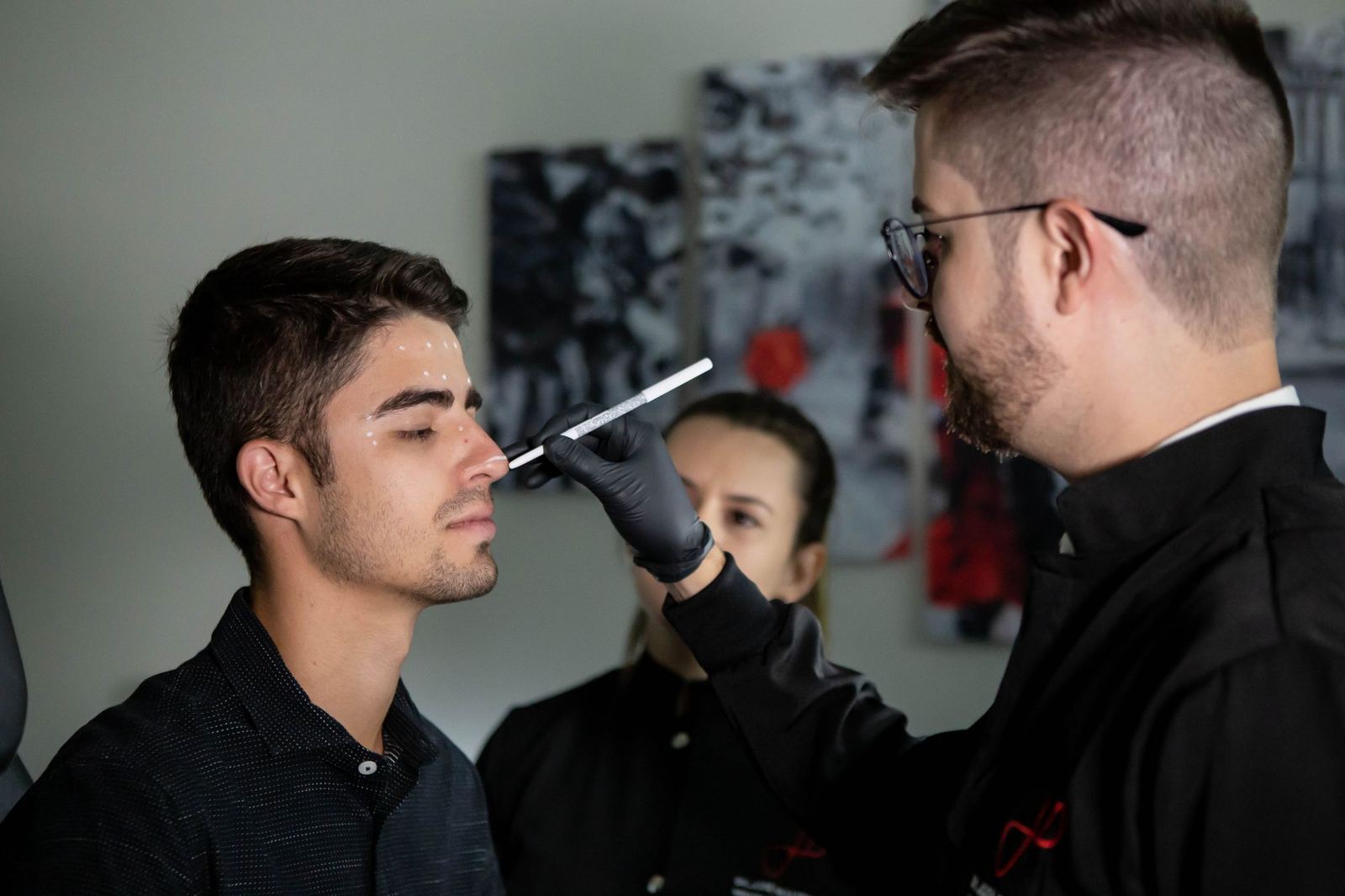
From planning to the final result: the stages of rhinoplasty, the course of swelling and choosing a good surgeon.
Rhinoplasty is one of the most frequently performed and most planning-intensive operations in aesthetic surgery, because the nose sits at the centre of the face and millimetre differences change the profile. Good preparation is half of the result. Below we gather the points most often asked before, during and after surgery.
At the first meeting the surgeon examines skin thickness, cartilage structure, septal deviation and facial proportions. 3D simulation shows the likely result, but it is a direction, not a promise. It is used to discuss how the nose fits the face and what the patient expects. Unrealistic expectations are the most common cause of dissatisfaction.
For the first six weeks contact sports, wearing glasses and blowing the nose hard are forbidden. Sun protection prevents blotching of the nose skin in summer. Smoking delays healing and should stop four weeks before surgery. Aspirin and some herbal supplements that raise bleeding risk should be stopped two weeks beforehand.
Before deciding it is entirely normal to send your photos for a written opinion from our surgeon and to get opinions from other surgeons at the same time. A good surgeon supports this.
This article is for general information and is not medical advice; make your decision after a surgeon's examination.
Skin sagging or fat deposits? The difference between the two operations, when they are combined and candidate criteria.
Read moreA week-by-week guide to swelling, bruising, stitches, garments and return to activity; when to contact the doctor.
Read more